
Duomo di Milano
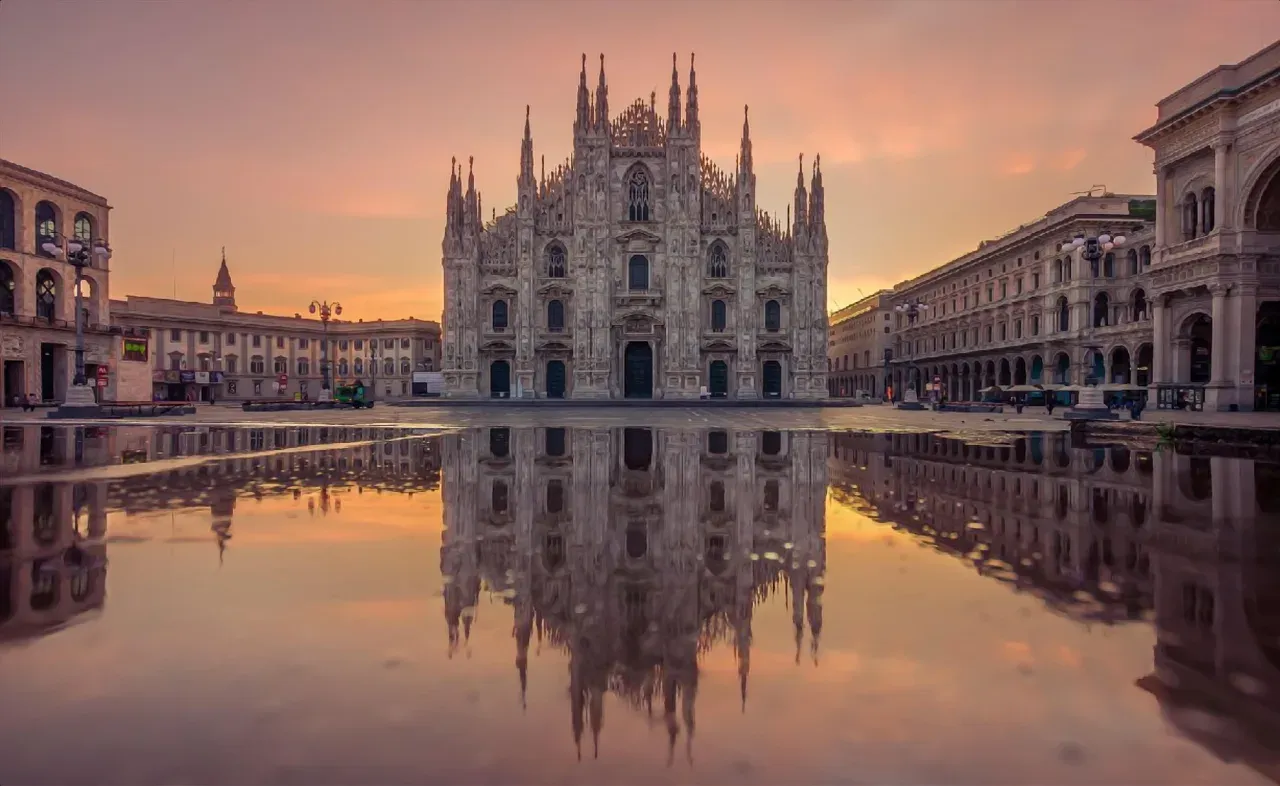
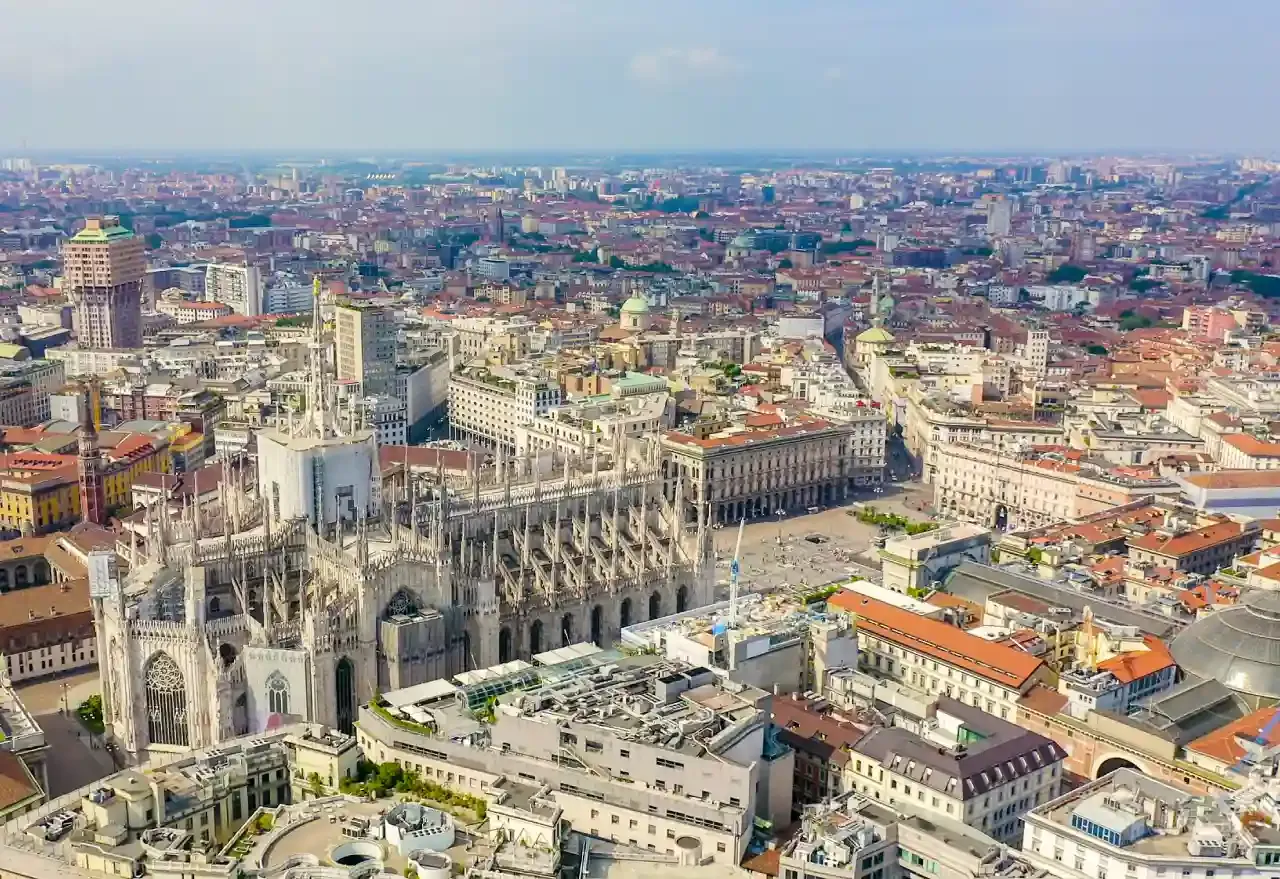
The Duomo of Milan or Milan Cathedral is a monument in Italy that stands out for its history, its Gothic architecture, and the large number of things to see inside, on its rooftop, and in surrounding areas. This temple represents the religious and social center of the Lombard capital.
Opening hours
The cathedral open daily from 9:00 AM to 7:00 PM, while the rooftops and museum follow specific schedules.
Location
The cathedral is situated in Piazza del Duomo at the city's geographic center.
Estimated visit time
A tour of the cathedral, archaeological area, and rooftops takes 1.5 to 4 hours, or up to 4 hours if including the museum.
Basic information about the Milan Cathedral
The Duomo of Milan is one of the largest Gothic cathedrals in the world and functions as the Metropolitan cathedral of the Archdiocese of Milan. These are some of the Cathedral’s most relevant aspects:
- Location: The Duomo of Milan is located in Piazza del Duomo, in the geographical center of the city of Milan, Lombardy region, Italy.
- Dimensions: a maximum height of 108.5 meters at the tip of the Madonnina. Its exterior length is 158 meters and it has a width of 92 meters.
- Nave height: approximately 45 meters.
- Official names: Cattedrale di Santa Maria Nascente or simply Milan cathedral.
- Completion: Duomo was consecrated in 1418; the Duomo’s façade was completed under Napoleon’s orders in 1805, and work was officially completed in 1965.
- Architects: No single author exists for Duomo, but rather a group of masters such as Simone da Orsenigo, Nicolas de Bonaventure, and Giuseppe Mengoni.
- Main architectural style: The Gothic style, specifically Late Gothic, Rayonnant Gothic, and Flamboyant Gothic.
- Secondary styles: Renaissance elements in the facade details and 19th-century neoclassical additions.
- Construction materials: Candoglia marble, extracted from the quarries of Lake Maggiore, entirely coats the cathedral.
Capacity: up to 40,000 people. - Annual visitors: According to the Italian news agency Agenzia Nazionale Stampa Associata (ANSA), 3.5 million people visited the Duomo in 2024.
- Number of statues: The Duomo of Milan has 3,400 statues, of which more than 2,300 are on the exterior.
What is the history of the Duomo of Milan?
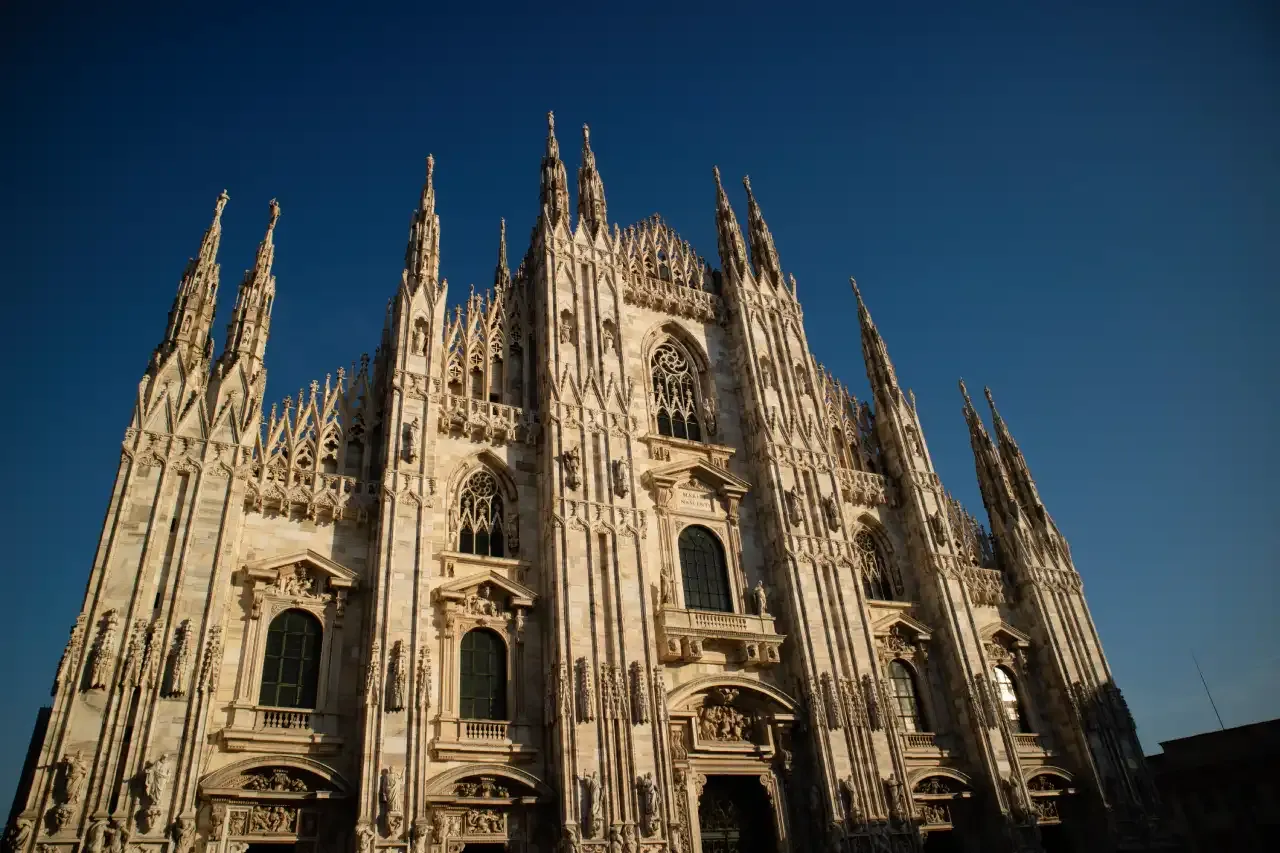
What is the history of the Duomo of Milan?
The history of the Duomo of Milan officially began in 1386. Archbishop Antonio da Saluzzo promoted the project and acted as the first prelate in charge of the new cathedral. He had the support of Gian Galeazzo Visconti, the first Duke of Milan, who commissioned the work and ceded the Candoglia marble quarries for its construction.
The objective was to create a monument that reflected the power of Milan in Europe and to modernize the religious center of the city, replacing the old Basilica of Santa Tecla and the Cathedral of Santa Maria Maggiore.
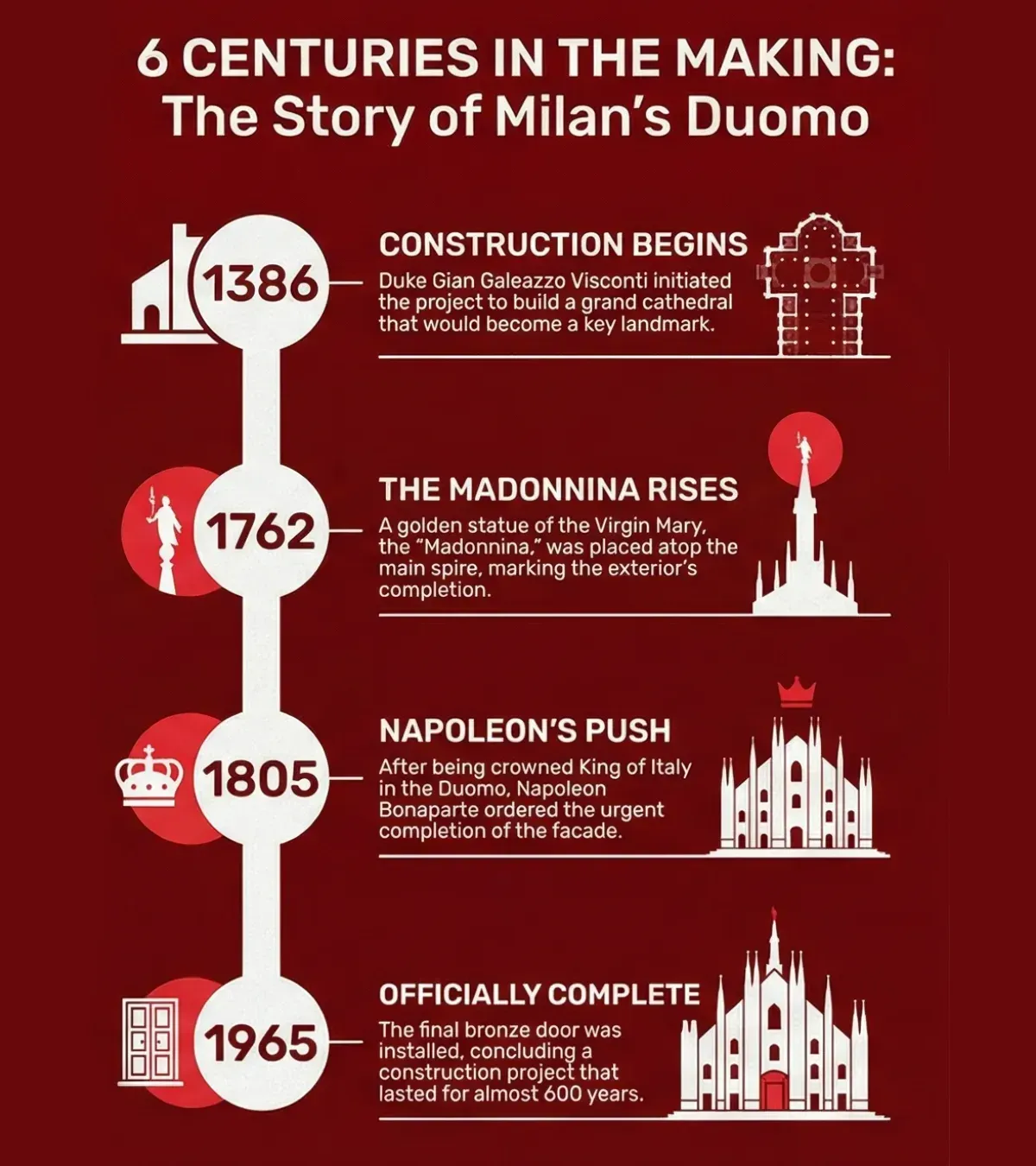
Timeline of the Duomo Milan
Throughout the centuries, construction progressed slowly under the direction of various European architects. A decisive milestone occurred in 1805 through the intervention of Napoleon Bonaparte. The French military leader, who was crowned King of Italy in this same venue, ordered and financed the completion of the main facade.
In the religious sphere, the figure of Carlo Borromeo stands out. He was an archbishop and saint of the Catholic Church who is buried inside the cathedral. He promoted reforms to adapt the space to the decrees of the Council of Trent, a key event during the Counter-Reformation. This 16th-century internal renewal movement of the Catholic Church emerged as a response to the Protestant Reformation and sought to reaffirm doctrine, discipline, and the role of religious art and architecture.
The current use of the Duomo combines its function as the seat of the Archdiocese of Milan with its role as a cultural and tourist center of world relevance.
In summary, the key timeline of the Milan Cathedral is the following:
- 1386: Start of construction under the mandate of Gian Galeazzo Visconti.
- 1389: Antonio da Saluzzo, Archbishop of Milan, supported and ecclesiastically legitimized the project.
- 1418: Pope Martin V consecrated the high altar.
- 1567: Carlo Borromeo begins the phase of architectural counter-reformation.
- 1805: Napoleon Bonaparte finances the finishing of the main facade.
- 1965: Inauguration of the last bronze door, marking the official end of the main works.
What are the must-sees in Duomo di Milano?
Inside Milan Cathedral
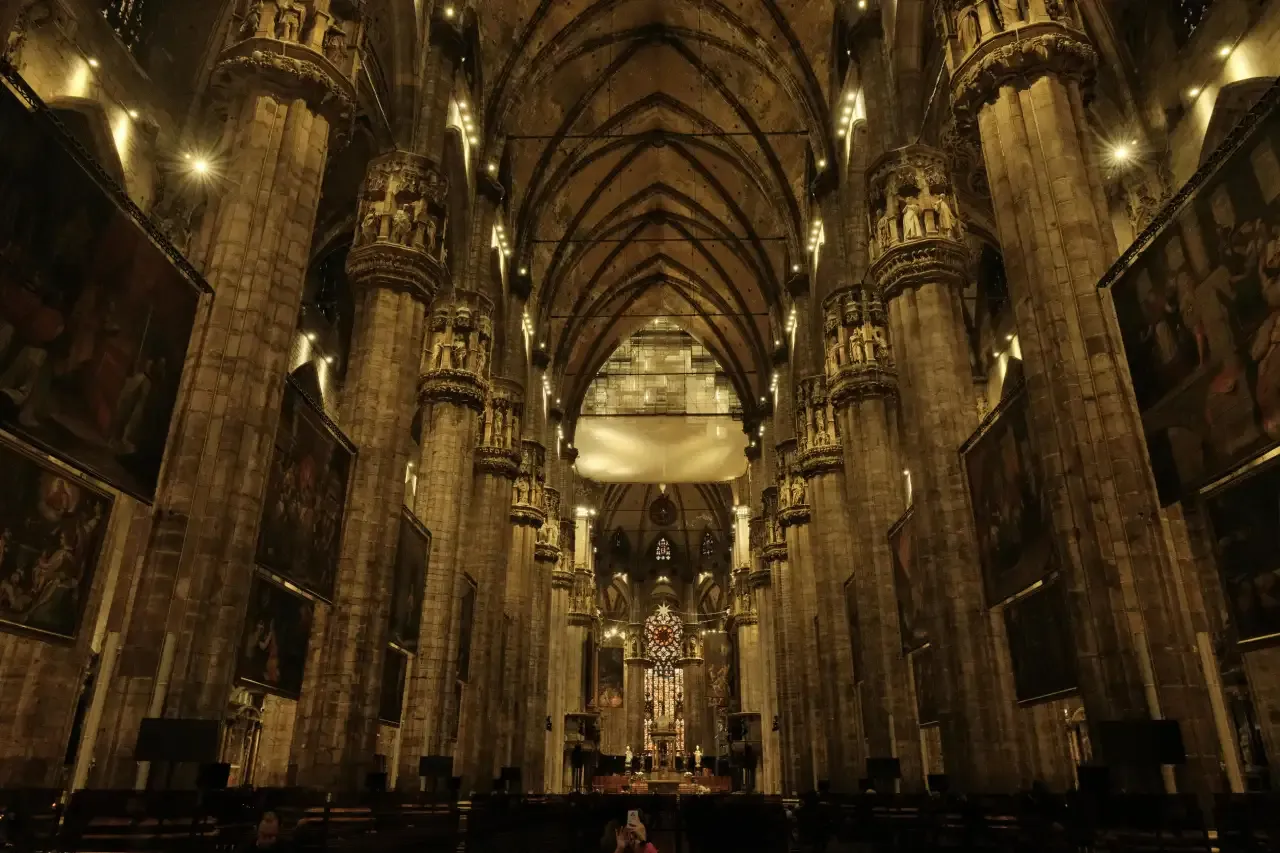
The interior of the Milan Cathedral stands out for its monumental scale. Notable highlights include the sculpture of Saint Bartholomew Flayed and 55 stained-glass windows, among the largest in Italy, which narrate biblical scenes. Near the entrance, a brass Sundial functions as a solar clock, marking the months with sunlight.
Also located near the entrance are the 12th-century Trivulzio Candelabrum and Italy’s largest Pipe Organ, featuring 15,800 pipes. Beneath the high altar, the crypt houses the crystal coffin of Saint Charles Borromeo. The entire structure is supported by 52 giant pillars representing the weeks of the year.
The marble floor displays a three-dimensional geometric design, while a red light at the top of the apse marks the location of The Holy Nail. Finally, the archaeological area in the subsoil reveals the remains of a baptistery from 387 AD.
Exterior of the Milan Cathedral
The exterior of the Duomo of Milan is a display of engineering and art in marble. The Madonnina, a golden statue of the Virgin Mary located 108.5 meters high, crowns the highest point and protects the Milanese.
To appreciate the details up close, it is possible to access the rooftops, a walkable terrace between pinnacles. Along the cornices, there are gargoyles, a total of 96 figures that decorate the cathedral and serve to drain rainwater.
Access to the temple occurs through the Duomo’s doors, five solid bronze doors where the central one illustrates the life of Mary. For its part, the 135 spires, a series of needles that reinforce the Gothic verticality, define the silhouette of the building.
In addition to these elements, the external statues total more than 2,300 carved figures representing prophets, saints, and historical characters. The combination of these pieces turns the facade into an open-air sculpture museum that took centuries to complete.
Plan your visit
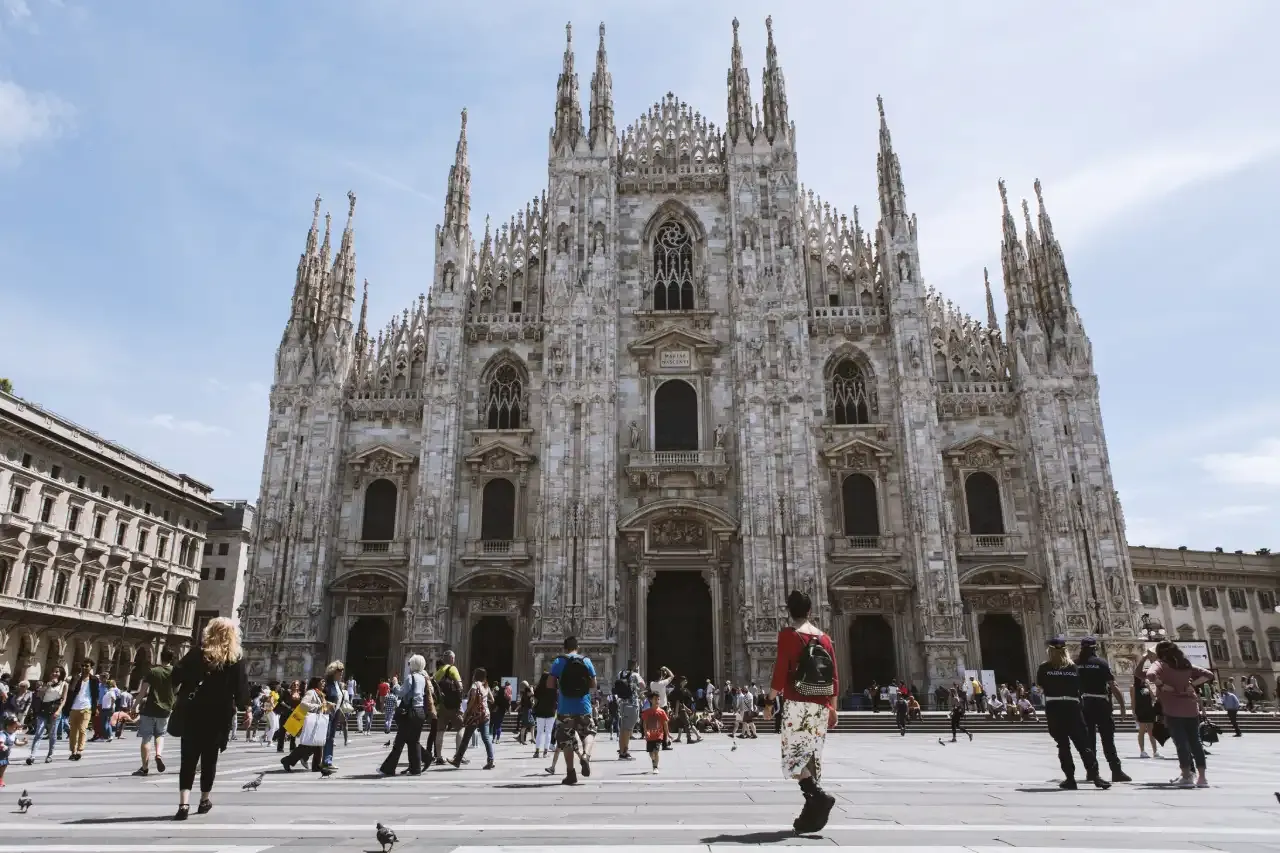
Opening hours
The Duomo of Milan opens daily for tourist visitors from 9:00 to 19:00, although the staff allows the last entry half an hour before closing. The archaeological area and the terraces may have slightly different hours depending on the season or special religious events.
We recommend checking the schedules on the official site of the Milan Cathedral before visiting, especially during national holidays or important liturgical celebrations.
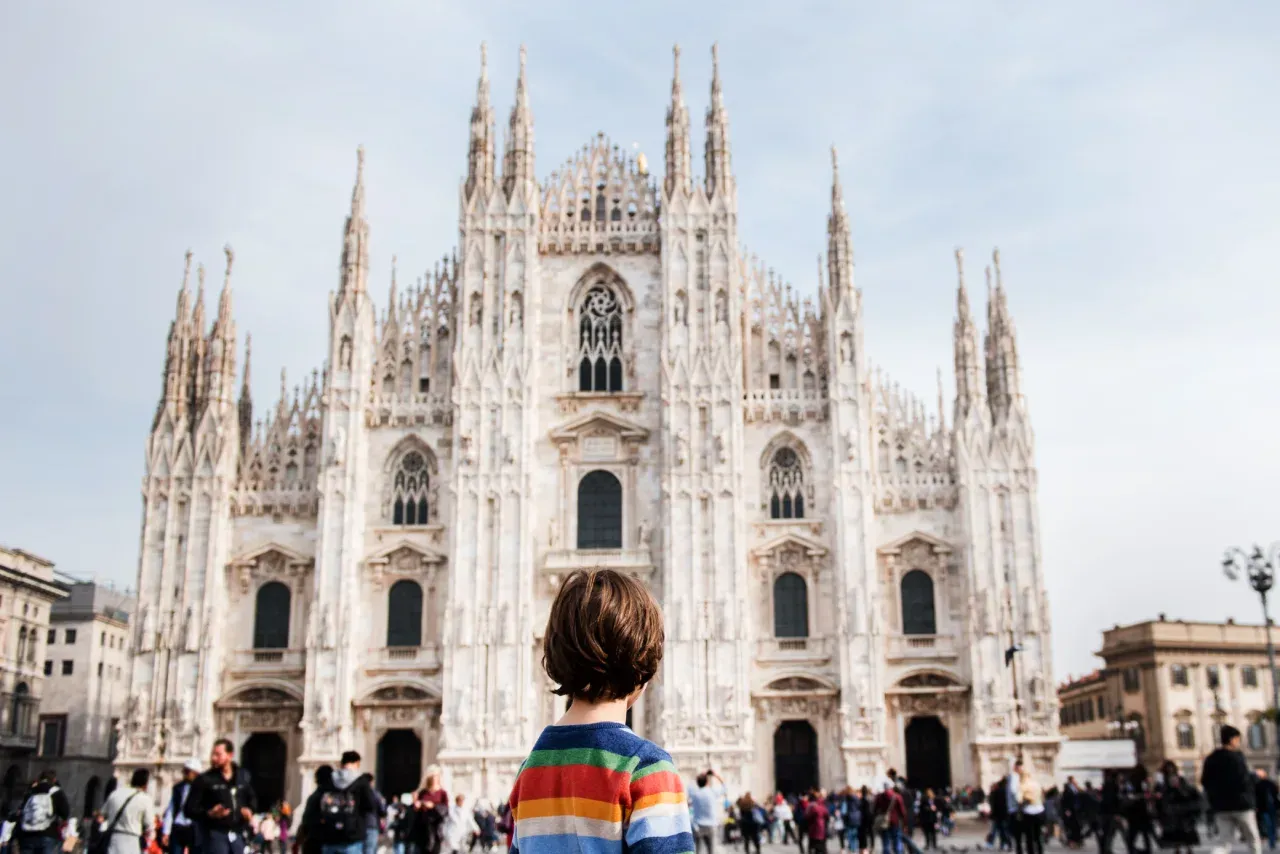
Religious visits & masses
The Duomo of Milan maintains a rigorous calendar of masses, which take place daily:
- Monday to Friday: 7:00, 8:00, 11:00, and 17:30 (at the high altar).
- Saturdays: The same daily schedule plus an additional mass at 17:30.
- Sundays and religious holidays: 7:00, 8:00, 9:30, 11:00 (Chapter Mass), 12:30, and 17:30.
Access for prayer and participation in the sacraments is free and occurs through a specific entrance, separate from the tourist flow.
What is near the Duomo in Milan?
The strategic location of the cathedral allows access on foot to the most significant monuments of Lombardy.
These are some of the buildings near the Duomo of Milan:
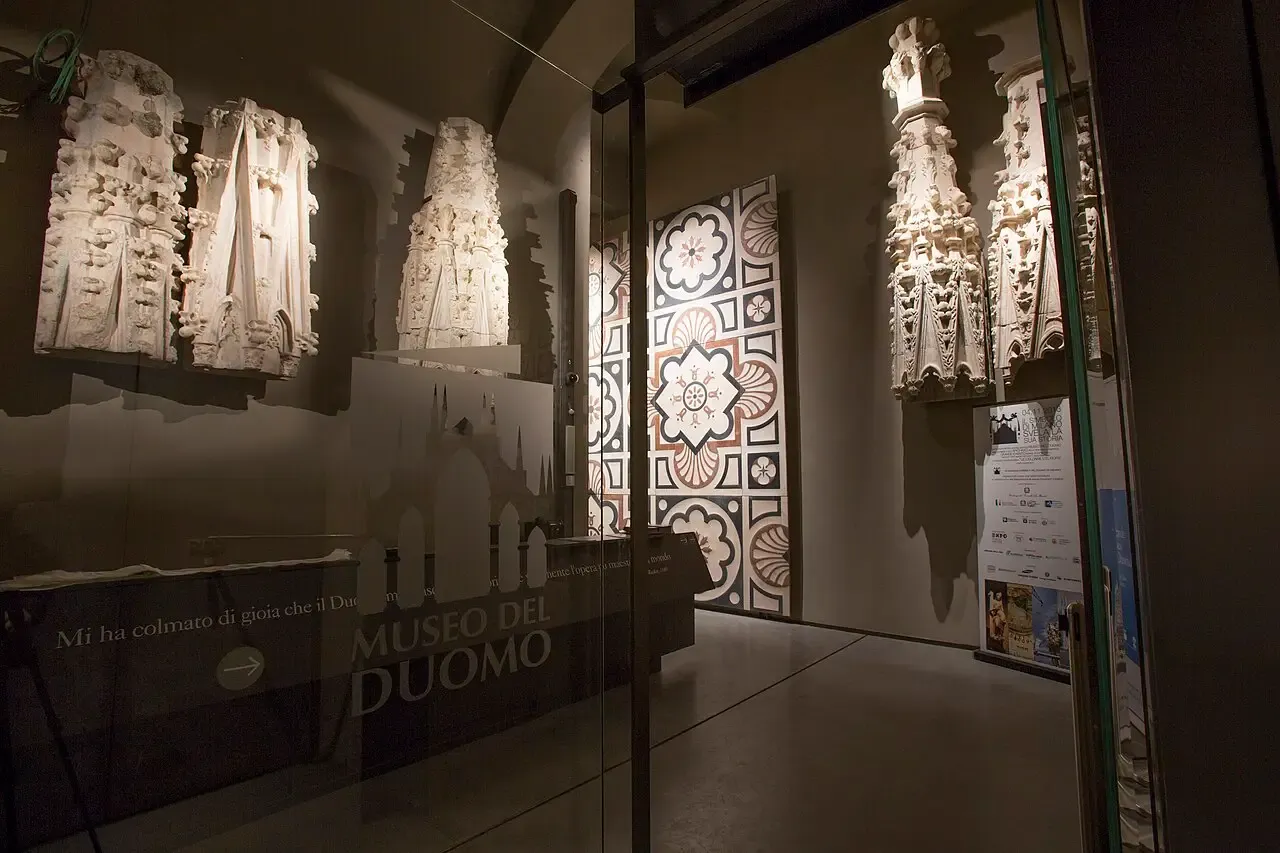
Duomo Museum
This museum houses the original sculptures, gargoyles, and stained-glass windows that the administration has removed from the main structure for conservation reasons. Its rooms allow for a close observation of aspects that are impossible to detail on the facade of the Duomo due to the height.
Photo: “The Great Duomo Museum” by 23vita.
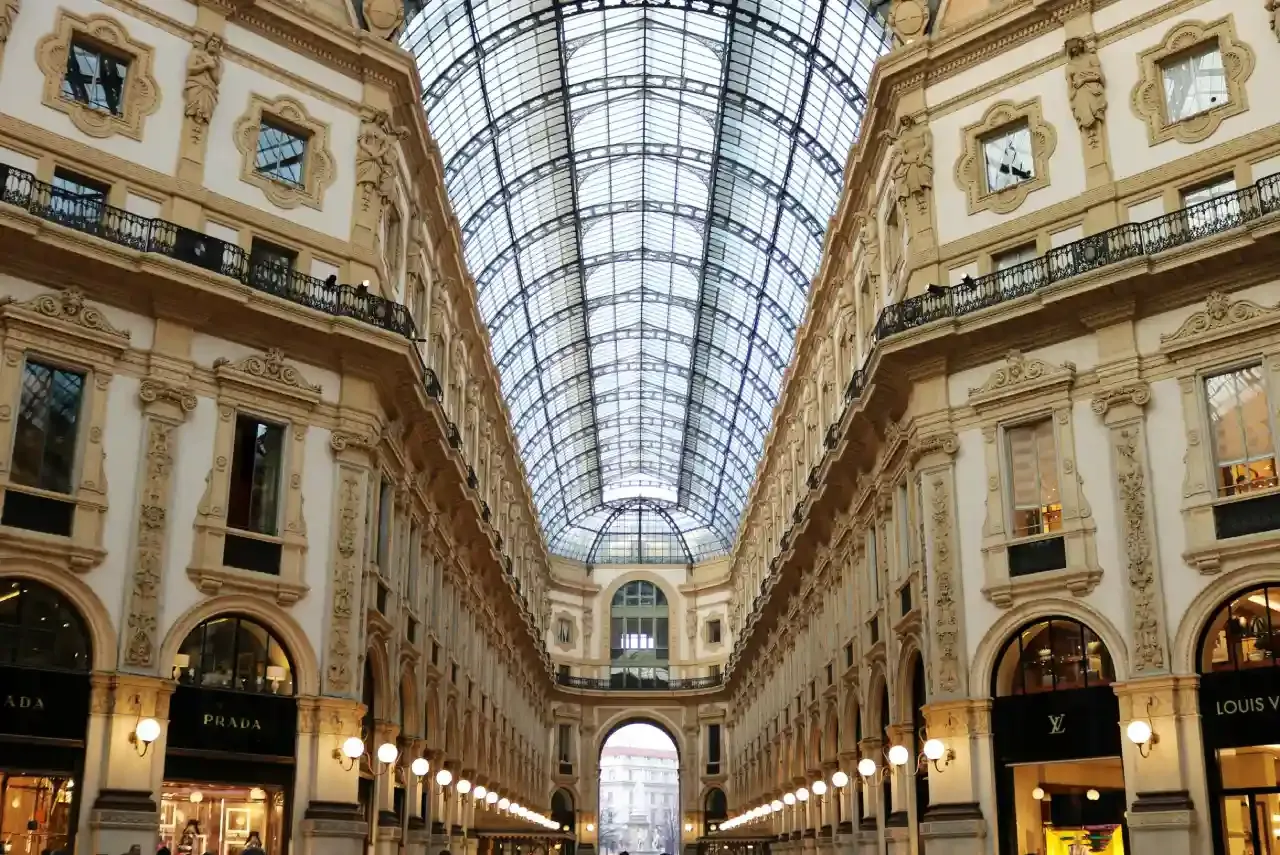
Galleria Vittorio Emanuele II
Popularly known as the “drawing room of Milan,” this 19th-century shopping gallery stands out for its glass and iron dome. It connects the Piazza del Duomo with the Piazza della Scala and is famous for its floor mosaics and its historic high fashion and gastronomy establishments.
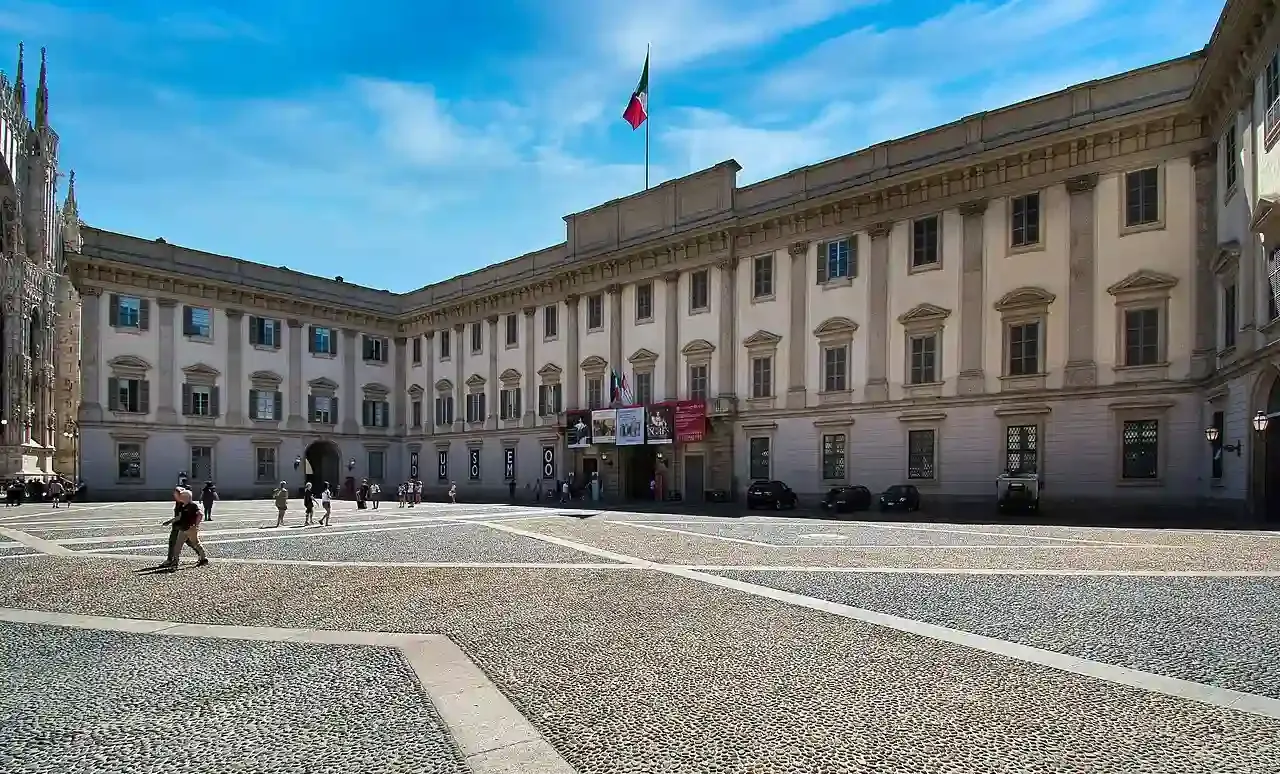
Palazzo Reale
This former center of government was the residence of the rulers of Milan for centuries. Currently, the Royal Palace is the most important exhibition space in the city, where international-level art exhibitions are organized in its neoclassical rooms.
Photo: “Palazzo Reale di Milano” by Mm4mm.
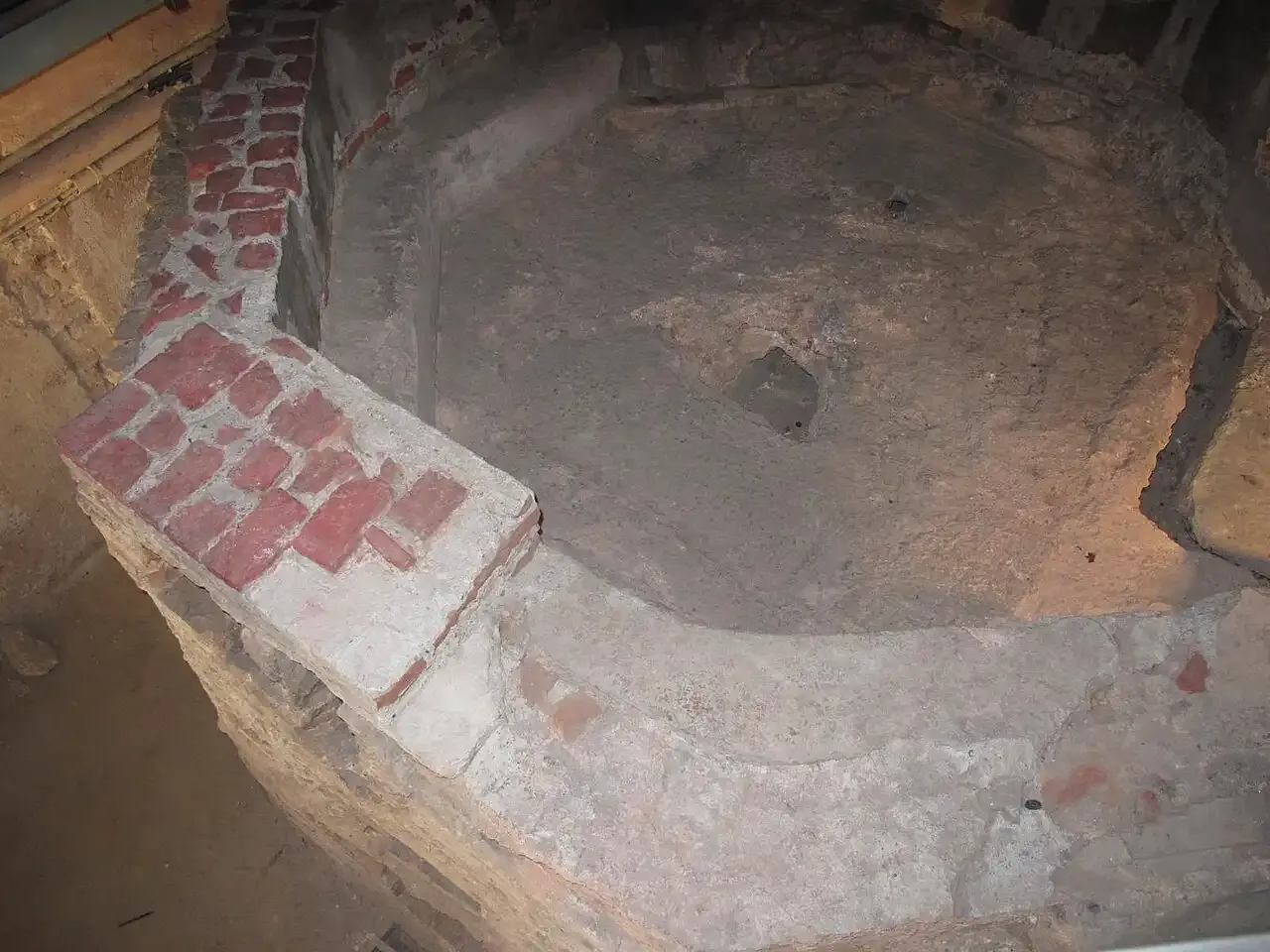
Battistero di Santo Stefano
The remains of the baptistery of Saint Stephen, along with that of San Giovanni alle Fonti (located under the cathedral), form part of the archaeological complex that shows the Early Christian past of the city. It is a key site for understanding the religious topography before the construction of the current building.
Photo: “Baptistery of Santo Stefano, Milan” by A ntv.
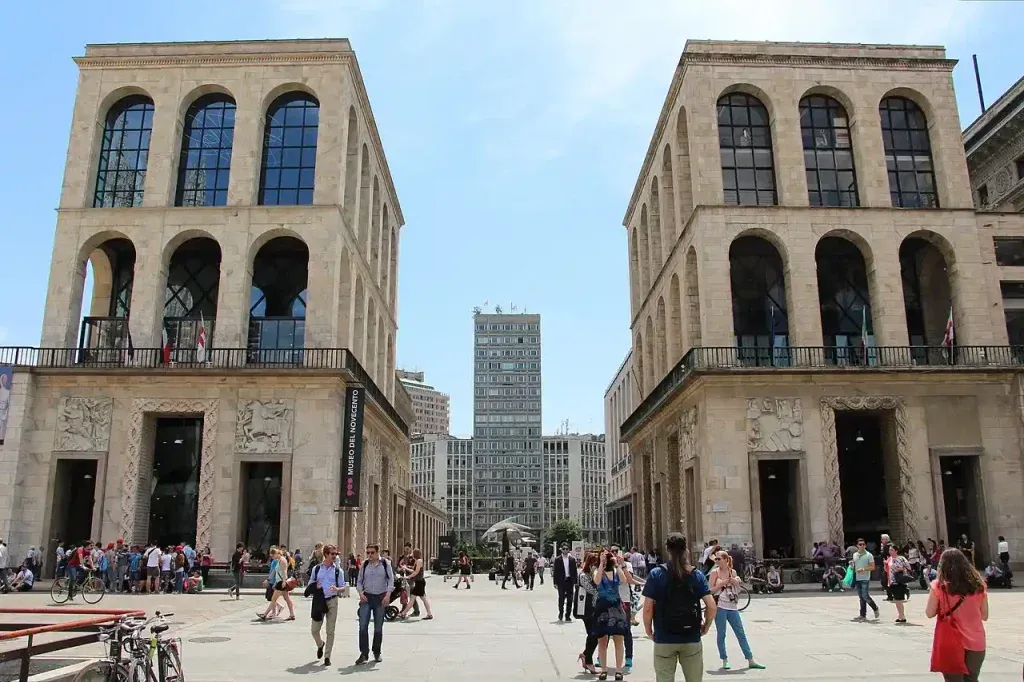
Museo del Novecento
Located in the Palazzo dell’Arengario, right on one side of the Piazza del Duomo, this museum is the main reference for 20th-century Italian art. It houses a collection that includes masterpieces of Futurism, such as “Unique Forms of Continuity in Space” by Umberto Boccioni, as well as pieces by Kandinsky, Modigliani, and Picasso.
Photo: “Palazzo dell’Arengario in Milan, Italy, home to the ‘Museo del Novecento’ (‘Museum of the 20th Century’) art gallery” by Conte di Cavour.
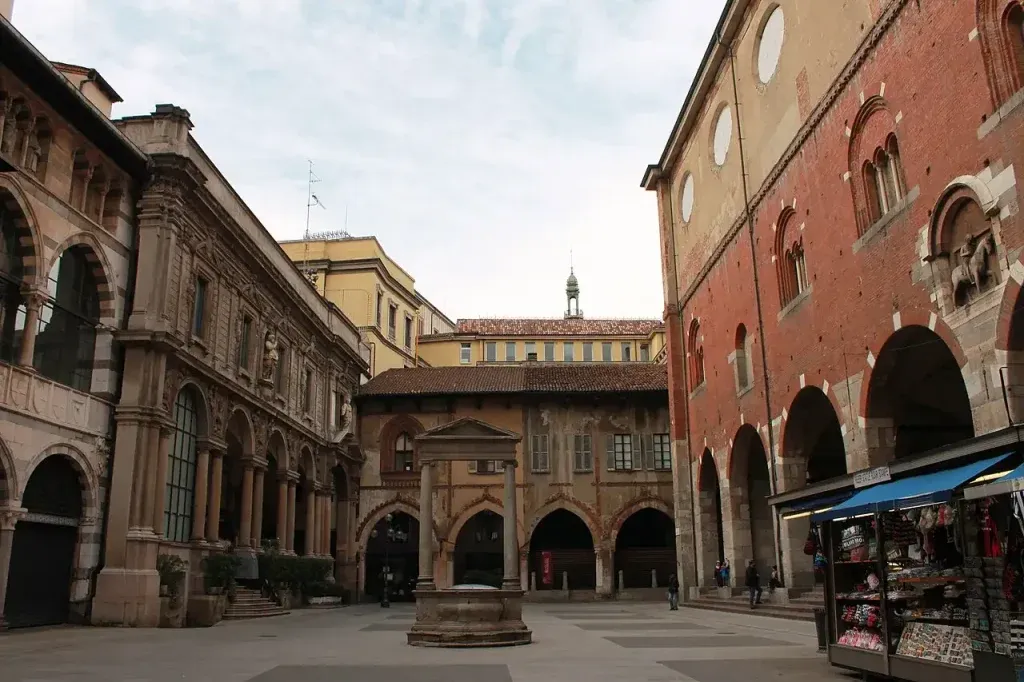
Piazza Mercanti
Just a one-minute walk from the Duomo is this area which, during the Middle Ages, was the administrative and commercial center of Milan. It is surrounded by historic buildings such as the Palazzo della Ragione (the old court), the Loggia degli Osii, and the Casa Panigarola. It is a place with a curious acoustic: if a person speaks through the pillars of the loggia, the sound travels to the opposite pillar.
Photo: “Piazza Mercanti Milano – Italy” by Stefano1111.