Duomo Milan archaeological area
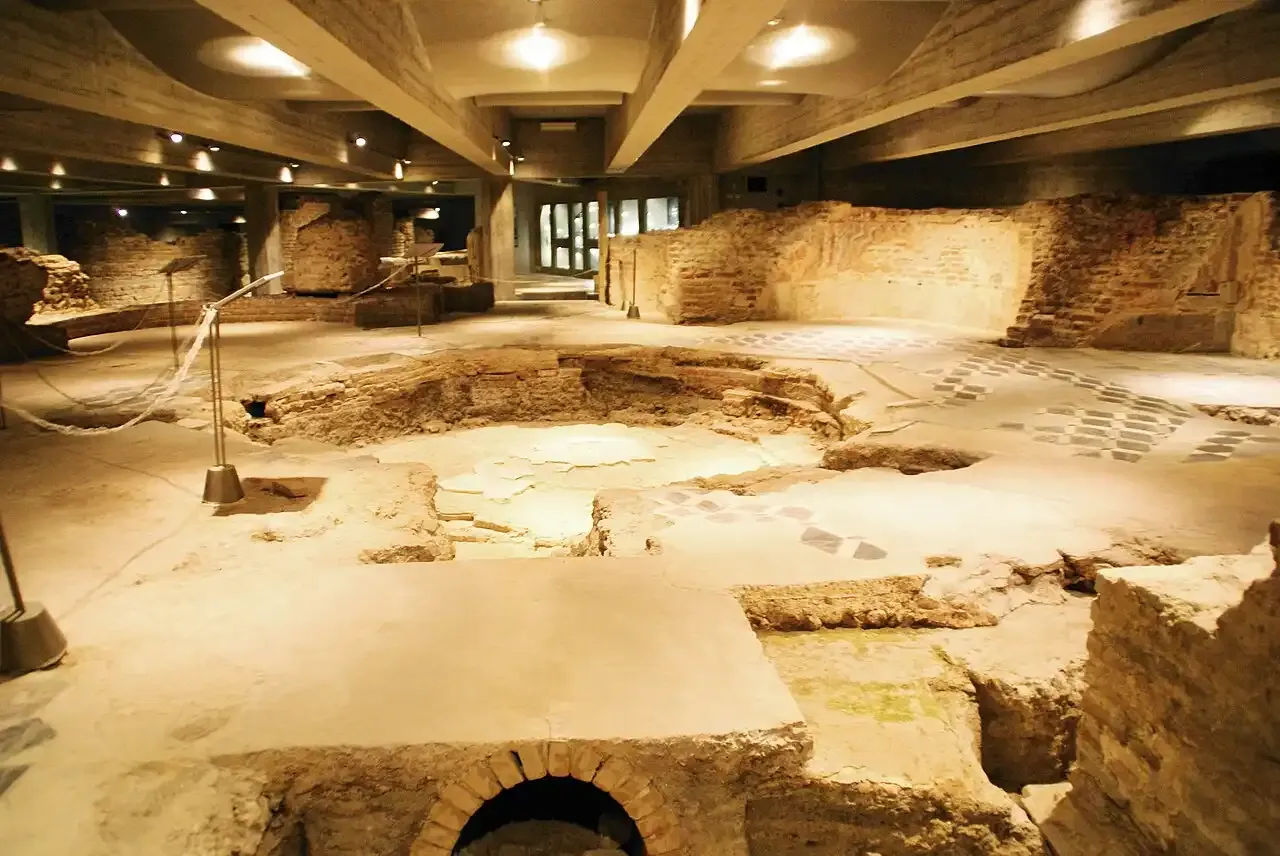
The Duomo Milan archaeological area sits directly beneath the marble steps of Piazza del Duomo. This subterranean complex contains preserved structural foundations from early Christian religious buildings that predated the current cathedral. Visitors enter the underground section to observe historical excavations and structural ruins from Late Antiquity and the Middle Ages.
What is the Duomo Milan archaeological area?
The Duomo Milan archaeological area comprises an underground historic site located beneath the main entrance of the Milan Cathedral. This subterranean complex preserves architectural remains from early Christian structures dating back to the 4th and 5th centuries.
Key excavated elements include the octagonal baptistery of San Giovanni alle Fonti, where Bishop Ambrose baptized Augustine of Hippo in 387 AD. Visitors also explore the wall foundations and floor mosaics of the ancient Basilica of Santa Tecla and the baptistery of Santo Stefano alle Fonti. These physical ruins document the transition of Milan from a late Roman imperial city into an early Christian religious center prior to the construction of the current Gothic cathedral.
Main photo: "Baptistery in the Milan Cathedral" by F.Higer.
How can I access the Duomo Milan archaeological area?
Visitors access the Duomo Milan archaeological area through dedicated entry points located inside the cathedral near the main portal. Entering this underground site requires specific admission tickets, as standard entry passes for the cathedral nave do not grant access to the subterranean excavations. Travelers purchase combined pass options or standalone archaeological area tickets. Staff inspect tickets at the staircase entrance leading down to the ruins of the ancient baptisteries.
Book your tickets to access the Duomo Milan archaeological area
Is Duomo Archaeological Area worth it?
Yes, purchasing access to the Duomo Milan archaeological area adds substantial educational value for travelers interested in classical archaeology, religious history, and urban evolution. The site offers a quiet, climate-controlled space away from crowded upper sanctuary walkways. Interactive digital displays, illuminated footpaths, and informational signage contextualize the structural layers beneath the cathedral floor.
Because standard entry passes exclude underground access, adding this section requires minimal additional expense while completing the historical narrative of Piazza del Duomo. History enthusiasts and travelers seeking a comprehensive understanding of Milan's architectural development consider this subterranean level an essential component of their visit, whereas casual tourists focused strictly on panoramic city views may prefer allocating time elsewhere.
Who is buried under the Milan Duomo?
The archaeological area beneath the Milan Duomo reveals early Christian and late Roman burial sites dating back to Late Antiquity. Excavations beneath the cathedral square uncovered stone sarcophagi, brick-lined grave pits, and ancient tombs surrounding the early Christian religious complex. These subterranean graves belonged to early Christian citizens, clergy members, and local elites buried near the 4th-century Baptistery of San Giovanni alle Fonti and the Basilica of Santa Tecla.
While modern archbishops rest in the main cathedral crypt above, this underground archaeological zone preserves late antique funerary monuments, inscribed grave markers, and personal artifacts. These early burial sites document funeral traditions in late Roman Milan before Gothic cathedral construction began.
Recommendations to consider before visiting the Duomo Milan archaeological area
- Accessibility and mobility: Ramp access to the archaeological area remains limited due to original stone steps and narrow ancient walkways. Wheelchair users require advance coordination with cathedral assistance services to access designated accessible routes.
- Claustrophobia and environment: The underground space features low ceilings, dim lighting, and enclosed stone passages. Individuals prone to severe claustrophobia should consider these structural conditions before descending.
- Visiting with children: Children must remain under adult supervision at all times along the elevated walkways. Strollers are prohibited in the subterranean excavations and require storage at designated luggage check areas outside.
- Footwear requirements: Floors consist of original stone surfaces, unpaved masonry, and metal grates. Visitors must wear flat, closed-toe walking shoes to maintain balance and prevent tripping.
- Climate: Temperature levels underground stay cooler than ground level during summer and damp during rain.
- Dress code: Visitors must adhere to the standard religious dress code, keeping shoulders and knees covered throughout the site.
Other areas of the Duomo Milan that you should know
Exploring the full Duomo complex involves visiting several connected historical zones above ground level. Combining the underground archaeological site with these additional cathedral sections provides a complete view of the monumental structure:
Cathedral Interior
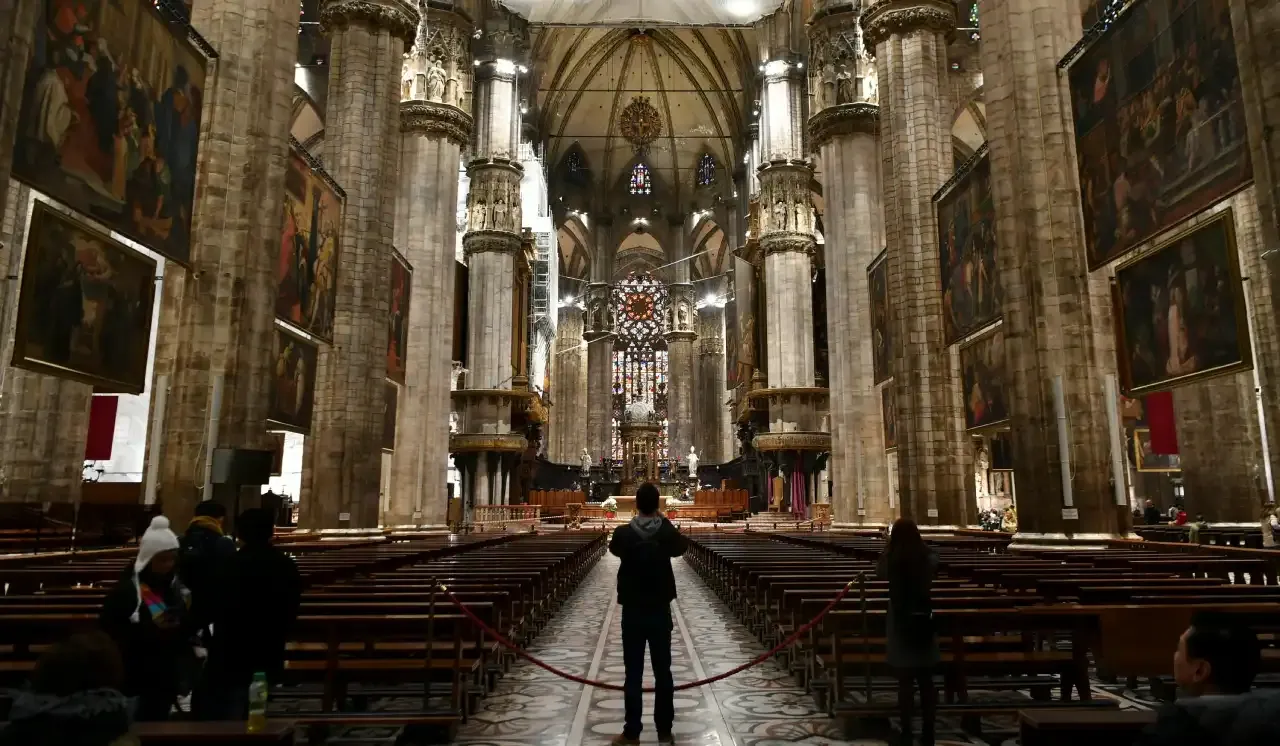
The cathedral interior covers a marble floor measuring over 11,000 square meters beneath vaulted ceilings. 52 stone pillars support the central nave, dividing the internal space into five distinct aisles. Stained-glass windows, constructed between the fourteenth and twentieth centuries, filter light into the sanctuary while depicting biblical narratives and saints.
Visitors observe the detailed statue of Saint Bartholomew Flayed, created by Marco d'Agrate in 1562, alongside side altars and carved choir stalls. A brass meridian line embedded in the floor near the entrance marks solar noon. Above the altar, a red light indicates the relic of the Holy Nail, which clergy display during annual ceremonies.
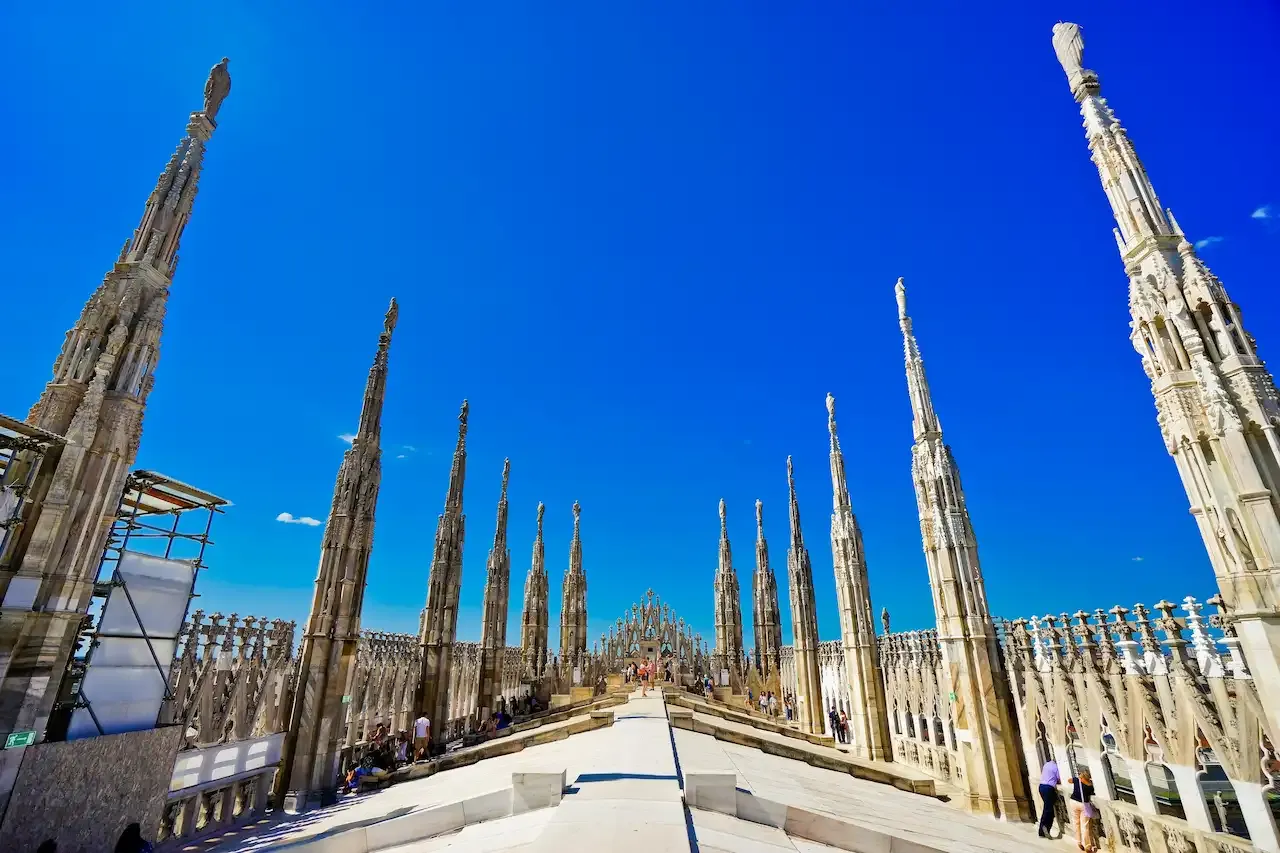
More information about Duomo Milan
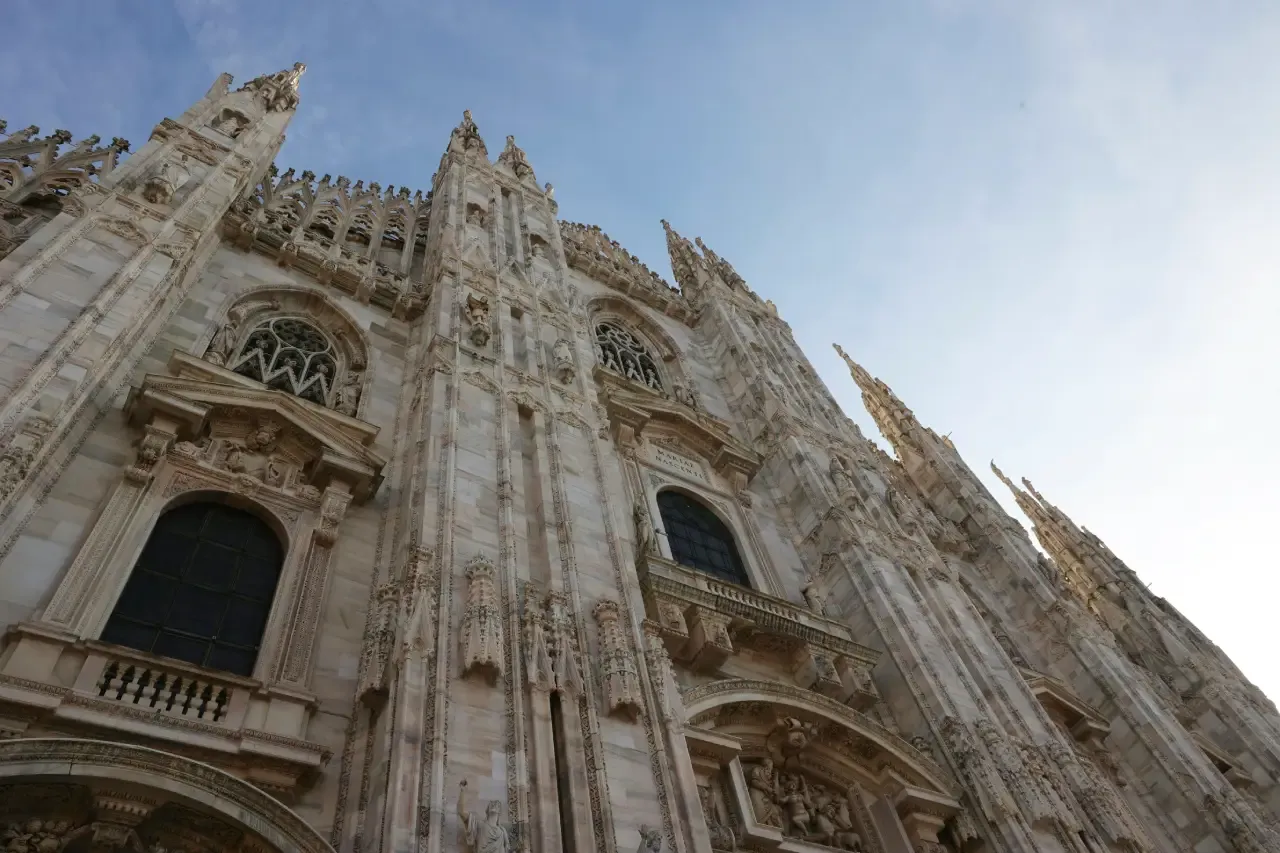
How much time do you need to visit the Duomo in Milan?
Calculating how much time do you need to visit the Duomo in Milan requires evaluating ticket choices, security wait times, and selected cathedral sections. Travelers adjust their schedules depending on whether they access individual areas or the full site.

Best time to visit the Duomo Milan
Understanding the best time to visit the Duomo Milan helps visitors bypass long security lines and avoid peak crowd hours throughout the week. Timing a visit around seasonal weather and daily schedule cycles ensures an efficient experience across the cathedral complex.
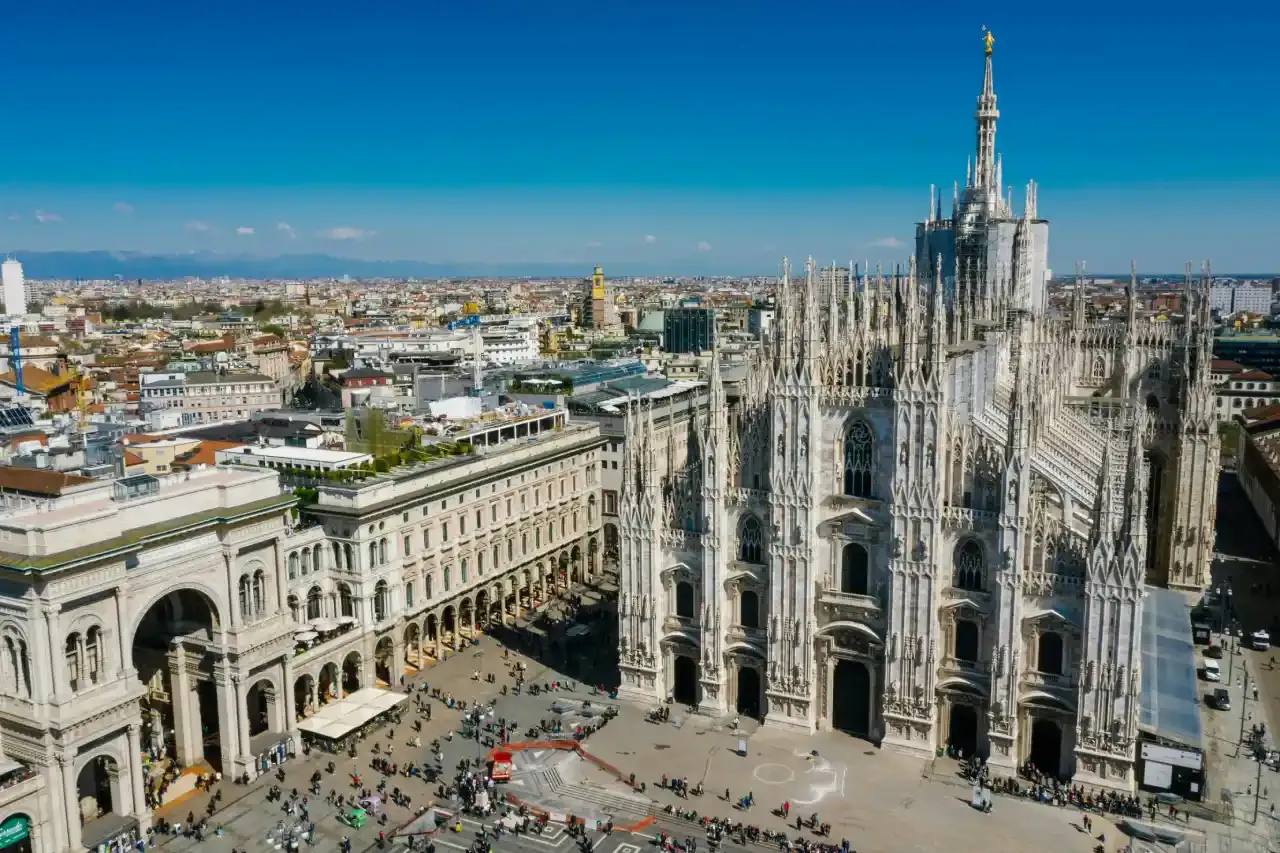
Things to do near Duomo Milan
Travelers exploring things to do near Duomo Milan discover famous museums, historic shopping arcades, and cultural landmarks surrounding Piazza del Duomo. Planning visits to adjacent attractions allows visitors to build a complete sightseeing itinerary in central Milan.